
Understanding THC Detection: How Long Does THC Stay in the System?
How long does THC stay in the system? This is the most concerning question employees and job seekers struggle with when using medical marijuana.
Workplace drug detection policies can be challenging and troublesome for medical marijuana users.
Cannabis contains THC or tetrahydrocannabinol, a compound known to cause intoxication when smoked or ingested.
THC content in medical marijuana products in Utah is less than 0.3%, almost insignificant but enough to be detected.
Even if you apply for an MMJ card, the drug detection policies remain stringent.
For some jobs, like operating machinery or driving, being intoxicated or DUI is a punishable offence.
In this article, we look into the different facets of THC detection: the testing methods, factors influencing detection methods, and more.
What is Medical Marijuana?
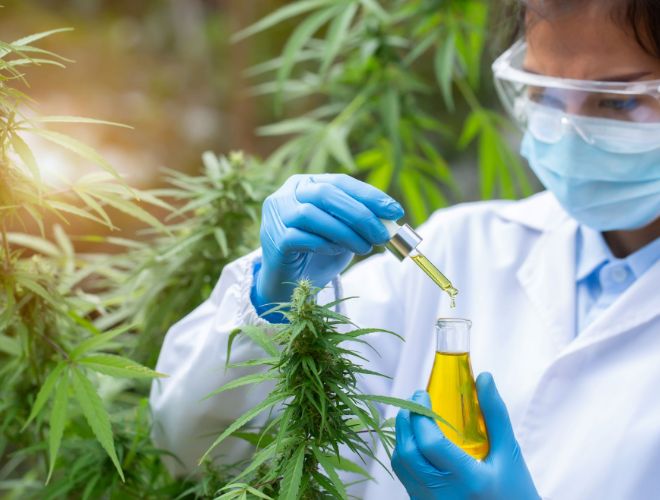
Medical marijuana in Utah is a cannabis plant product sold in dispensaries used to treat a disease or condition.
According to the Utah Medical Cannabis Act, patients can purchase cannabis only if they have a cannabis medical card.
The card can only be offered once a patient with a qualifying condition is recommended cannabis treatment by a QMP (Qualified Medical Provider).
The process can be lengthy. But with the right professionals, such as Green Team Doctors, the process is far more efficient.
Schedule your appointment with us for a smooth journey to acquire your Medical Marijuana Card (MMJ Card) in Utah.
Medical marijuana has two main compounds: THC and CBD (cannabidiol).
CBD is not normally detected in tests as it’s not psychoactive. However, THC is intoxicating, hence a stern attitude towards its consumption.
But how is THC processed in the body, allowing its detection?
How Does the Body Process THC?
In our quest to understand how long does THC stay in the system, we should establish how the body breaks it down.
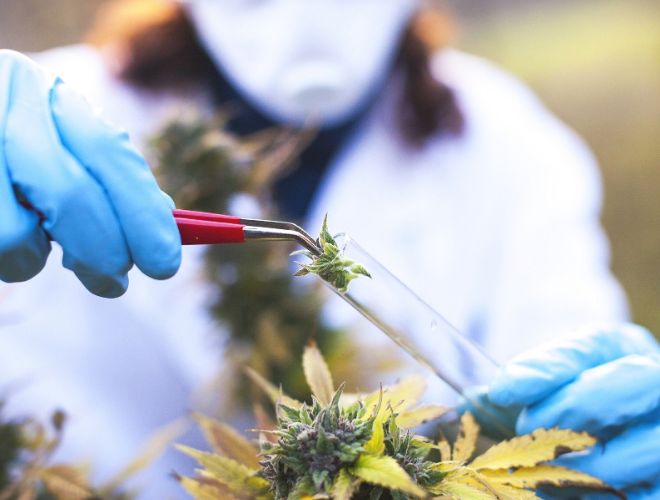
To understand THC metabolism/breakdown in the body, we’ll look into the pharmacokinetics of cannabis.
How long do THC gummies stay in your system? The answer is all in the breakdown of THC in the edible.
Once a THC product is ingested or smoked, the THC compound is transported to the liver, where it is metabolized/broken down.
From the liver, THC takes different forms, which, through the bloodstream, are transported to the brain and then to other body parts.
Interestingly, more than 65% of cannabis is excreted in feces, and about 20% is in urine. The rest enters circulation throughout your body.
After metabolism, THC is present in the body as metabolites. These metabolites are what drug tests measure to detect THC in your body.
Moreover, THC is lipid/fat-soluble and is rapidly taken by fat tissue where it accumulates.
It’s from these fat deposits that THC is slowly released back into the bloodstream, influencing detection time.
THC’s presence in the body allows for different cannabis drug tests like urine, sweat, and blood tests.
So, how long do THC gummies stay in your system? Some various dynamics or factors determine their effects. Let’s look into some of these factors.
How Long Does THC Stay in the System: Factors Affecting THC Detection Time
As we look into how long does THC stay in the system, we have to appreciate that detection can vary from person to person.
Understanding these variables is essential for medical marijuana patients intent on passing a drug test.
1. Frequency of Use
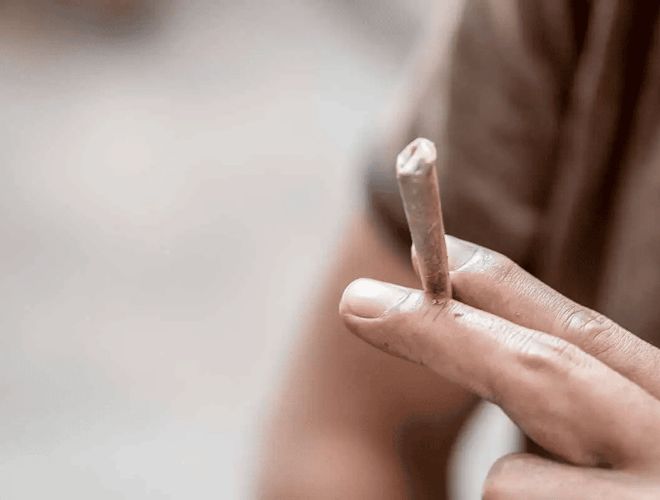
The more you use cannabis, the more it’s detectable in your system.
A unique study on the impact that frequent use of cannabis has on drug tests gave some interesting conclusions.
For 1st time users, marijuana can be detected for about three days. Consuming 3 to 4 times a week increases the detection window to 5 to 7 days.
Moreover, if you smoke cannabis once or twice daily, THC may stay in the system for 30 days or longer.
In a nutshell, THC metabolites exit the body more rapidly for sporadic users.
2. Amount of THC Consumed
High THC intake takes the body longer to break down and eliminate it from your system.
If you are a chronic user, just how long does THC stay in the system?
Consuming high amounts of cannabis leads to an accumulation of THC metabolites, increasing the detection window to up to 30 days.
Different products provide a challenge in determining the amount of THC consumed.
Cannabis consumption through smoking or vaping is easier to control as the effects kick in almost immediately.
However, for edibles, the onset of effects takes 30 minutes to 2 hours, and the peak hits about 4 hours later. The delayed onset of effects can lead to overconsumption, hence a high THC metabolite count.
The case of edibles leads to concerns like how long do THC gummies stay in the system. Take them occasionally for lower concentrations of THC metabolites.
3. Dosage
The potency of THC in a product also matters.
Products with high THC concentrations can result in an extended detection window, even for occasional users.
You can only possess 20 grams of THC in Utah at a time. The potency is average and should leave your body in a short time.
However, with a recommendation from a Qualified medical professional (QMF), you can get higher doses from a dispensary.
In Utah, patients with qualifying conditions, after booking an appointment with a QMF, can purchase the prescribed THC in one 30-day period.
Depending on the severity, prescribed potent doses can be detected longer after use. This is because you consume them consistently, and high doses take longer to eliminate.

4. Body Fat
Fat readily fuses with or stores cannabis.
Individuals with high body fat concentration may metabolize cannabis more slowly than those with less body fat. The result is longer detection periods for those with high body fat.
6. Hydration and diet
Taking foods high in fiber may eliminate THC from the body faster.
Moreover, staying well-hydrated may help flush THC out of the system quicker.
Adequate hydration supports the body’s natural detoxification process.
7. Exercise/ Physical activity
A good exercise helps reduce body fat, lowering the amount of THC stored in fat cells.
Paradoxically, intense exercise close to a drug test may temporarily release stored THC metabolites in the bloodstream, increasing the chances of detection.
One interesting study saw 14 cannabis users exposed to 35 minutes of exercise and a subsequent drug test. The results showed a significant increase in THC concentration.
8. Metabolism
Metabolism is the biochemical process that breaks down substances in your body. Factors like age, gender, and genetics influence metabolism.
For example, females have more body fat than males. Therefore, females may metabolize cannabis slower than males.
In genetics, a variant of enzymes can accelerate the elimination of THC in some individuals.
Cannabis users with faster metabolisms tend to eliminate THC more rapidly than those with slower metabolisms.
Notably, the duration THC stays detectable in your system is a complex interplay of various factors.
Understanding these factors can help inform your cannabis use in the face of a drug test.
There are different kinds of drug tests with unique dynamics, which can also determine how long does THC stay in the system.

How Long Do THC Gummies Stay in Our System: Methods of THC Detection (Drug Tests)
Urine Tests
Urine cannabis tests are the most common due to their cost-effectiveness and long detection window.
The detection window is anywhere from 3 days (single-use) to 30 days on chronic/ heavy use.
Urine tests are considered the most popular but have limitations with cases of false positives.
Stay hydrated and exercise regularly to speed the body’s natural detoxification process and extinguish THC metabolites.
Blood tests
Blood tests detect recent cannabis use approximately 2-12 hours after use.
However, detection is possible for heavy users anywhere from 12 to 30 days.
Blood tests are usually used to measure the concentration of Delta-9 THC in traffic stops or workplace accidents.
Saliva Tests
THC metabolites are abundant in saliva once you’ve smoked or ingested cannabis.
THC saliva testing has a short detection window of up to a day after use.
One study revealed cannabis can be detected in consistent smokers 72 hours after use.
Sporadic cannabis users can pass a saliva test better than frequent users. The method is common for traffic stops and, occasionally, legal contexts.
Hair test
Hair tests are the most sensitive, with detection up to 90 days after last use.
However, it’s a less common test as it has higher chances of false positives due to contamination. If you contact a THC user, a hair test could read positive.
Then again, it’s a useful test in determining long-term cannabis use.
Maneuvering Medical Marijuana Consumption in Utah
Medical marijuana users often ask, ‘How long does THC stay in the system?’ or ‘How long do THC gummies stay in your system?’
Whichever way THC is consumed, chronic use leads to a longer detection window and vice versa on sporadic use. Responsible consumption is important when consuming cannabis.
Taking cannabis with direction from a licensed QMP is a major step towards responsible consumption.
In Utah, QMPs are important in acquiring medical marijuana from dispensaries.
With Green Team Doctors, a consortium of licensed and compassionate QMPs, you get one-year recommendation cards for cannabis prescriptions.
There are various conditions cannabis may remedy better compared to conventional[‘ treatments.
Don’t settle! Book an appointment with us to start your healing journey with medical cannabis products.

 Cannabis Updates, News & Insights