
Understanding Endocannabinoids: The Body’s Natural Cannabinoid System
Research on the mechanism of action of cannabis in the body in the 1990s resulted in the discovery of the Endocannabinoid System (ECS).
The human body’s intricate endocannabinoid system is responsible for a number of vital physiological reactions.
It has been known to influence functions such as perception, mood regulation, appetite, and immune response properties also associated with consuming medical cannabis.
However, even if you don’t ingest cannabis, your body still has an active endocannabinoid system.
Research on this unique system is ongoing, but it has shown to be integral to our overall well-being.
In this article, we will discover more about the ECS and its interactions with cannabis.
What is the Endocannabinoid System (ECS)
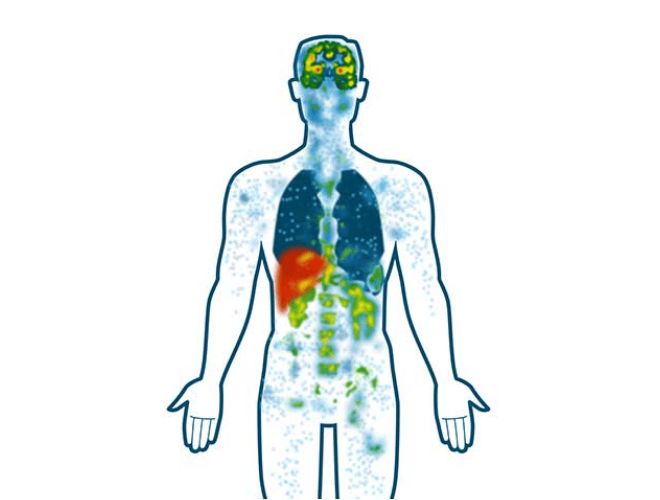
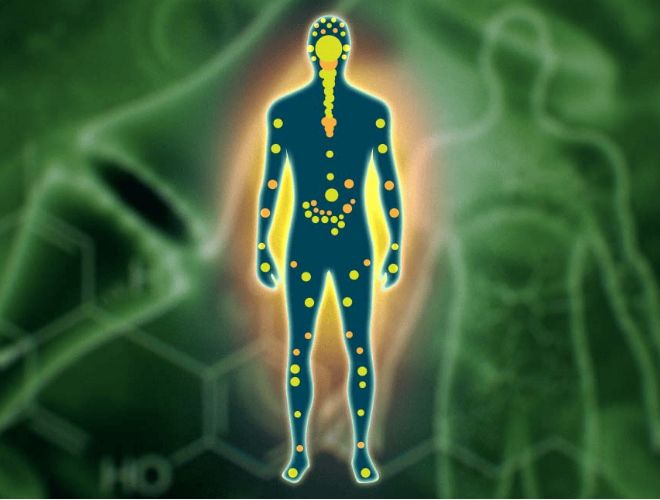
The Endocannabinoid System is a network of cellular receptors and chemical signals in our brain and body.
The Endocannabinoid System was discovered in the late 80s after the discovery of cannabis compounds tetrahydrocannabinol (THC) and cannabidiol (CBD) in 1964.
THC and CBD are active compounds in cannabis that interact with the ECS to provide the medical benefits of medical marijuana.
They have a similar structure to the natural endocannabinoids produced in the body.
The ECS was discovered as the largest receptor system and regulator of homeostasis in the human body.
The system consists of three primary components:
- Endocannabinoids: Endocannabinoids are endogenous cannabinoids produced naturally within the body.
The two major endocannabinoids are anandamide (AEA) and 2-arachidonoylglycerol (2-AG).
They have a structural similarity and work in the same manner as cannabinoids from the cannabis plant.
Anandamide and 2-AG act as signalling molecules that bind to cannabinoid receptors.
- Cannabinoid Receptors: The ECS has two key cannabinoid receptors identified as CB1 and CB2.
CB1 receptors are mostly found in the central nervous system (CNS).
They are believed to affect brain regions associated with motor functions, cognition, memory, appetite regulation, and pain perception.
The CB1 interactions with cannabis (THC) are believed to be responsible for the intoxicating effect of marijuana.
CB2 is located in immune cells and peripheral tissues, potentially influencing immune response and inflammation.
There has been growing interest in CB2 for drug development as its action is therapeutic without causing a “high.”
- Enzymes: Enzymes are critical in synthesizing and degrading endocannabinoids and maintaining their balance.
Two key enzymes are fatty acid amide hydrolase (FAAH) and monoacylglycerol lipase (MAGL). They are responsible for breaking down anandamide and 2-AG, respectively.
How Does the ECS Work?
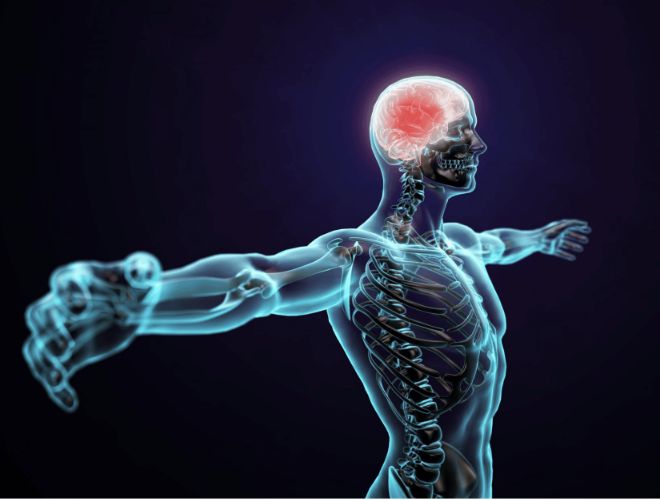
The ECS works through a complex signalling mechanism:
1. Endocannabinoids Synthesis and Signalling: Endocannabinoids are synthesized in response to various physiological triggers.
They are produced from lipid precursors and released to the nerve-ending (or synaptic) space, where they bind to cannabinoid receptors.
2. Interaction between Endocannabinoids and Receptors: When endocannabinoids bind to cannabis receptors, they trigger biochemical reactions influencing cell activity.
The interaction influences the release of neurotransmitters that affect various physiological processes.
For example, CB1 receptors, when activated by endocannabinoids, inhibit the release of neurotransmitters like glutamate and GABA. They may impact processes like memory and pain perception.
Moreover, CB2 receptors, when activated, regulate the release of cytokines and other immune cells, impacting inflammation and immune response.
3. Modulation in different bodily systems: The influence of the Endocannabinoid System extends to numerous bodily systems, including the nervous, immune, and digestive systems.
For example, the action of CB2 receptors may contribute to the body’s defence mechanisms.

Importance of the ECS in Health and Wellness
The ECS has the pivotal role of maintaining homeostasis.
Homeostasis is the body’s ability to regulate and maintain stable internal conditions despite external changes.
The activity of the ECS helps with various conditions:
1. Neurological Disorders: The ECS may help with neurodegenerative disorders like Alzheimer’s, Parkinson’s, and multiple sclerosis.
Endocannabinoids may suppress neuro-inflammatory processes, promoting normal brain aging and helping prevent neurodegenerative diseases.
Moreover, endocannabinoid signalling is involved in brain development, neuronal plasticity, and the release of neurotransmitters and cytokines, maintaining homeostasis at the cellular level.
2. Mood Disorder: The ECS is active throughout the limbic regions of the brain. Its activity in the brain helps regulate control over emotional behaviour, mood, and stress response.
Endocannabinoid signalling in a medical approach can help produce anti-depressive and anxiolytic behavioural responses.
These properties give the endocannabinoid system a role in potentially testing mood and anxiety disorders like PTSD and depression.
3. Pain Management: The ECS is important in regulating pain perception. It modulates pain signalling pathways by the action of cannabinoids, which are potential analgesics (or possessing pain-relieving properties).
Medical marijuana offers a good natural alternative for dealing with pain with the possibility of being less addictive.

Factors Affecting the Function of ECS
What factors can impact the function of the endocannabinoid system?
1. Diet and Nutrition: A balanced diet of essential oils like omega 3 and 6 fatty acids can support ECS function.
Then again, diets high in processed foods and unhealthy fats may negatively impact the ECS.
Moreover, high alcohol consumption can impact the regulation of 2-AG and CB1 brain receptors.
2. Exercise: Physical activity has been linked to promoting good Endocannabinoid System activity.
Exercise can increase endocannabinoid levels, contributing to the “runner’s high” sensation. Regular exercise may positively influence ECS balance.
3. Stress levels: Elevated stress hormones may affect the synthesis and signalling of endocannabinoids, potentially leading to imbalances within the endocannabinoid system.
For example, high cortisol production potentially reduces the brain’s CB1 receptors, affecting the function of the ECS system.
Employ stress reduction techniques like meditation and mindfulness to maintain ECS balance.
4. Environmental Factors: Exposure to environmental toxins and pollutants may interfere with endocannabinoid system signalling.
5. Cannabinoid Consumption: Phytocannabinoids or exogenous cannabinoids like THC and CBD can interact with the ECS.
For example, CBD, the abundant cannabinoid in medical marijuana, activates the TRVP1 receptors, which may promote anandamide production.
Anandamide is one of the endocannabinoids that affects memory and motivation.
Interaction between ECS and Cannabinoids
Medical marijuana in Utah is prescribed cannabis buds and products with less than 0.3% THC.
Medical marijuana is prescribed by booking your appointment with a highly compassionate, qualified medical provider.
The prescription helps you apply for a medical marijuana card with the Utah Department of Health, which allows you to possess and buy medical cannabis.
Medical cannabis has two active compounds, CBD (most abundant) and THC, that interact with the ECS.
THC is in negligible amounts but interacts with the ECS by binding to the CB1 and CB2 receptors like endocannabinoids.
The cannabinoid’s interaction with these receptors causes the intoxication, pain relief, and appetite stimulation associated with THC.
CBD is thought to work uniquely with cannabis receptors. It blocks CB1 receptors, hence its non-intoxicating effect and the possibility of it weakening the psychoactive effects of THC when consumed together.
Moreover, blocking of CB1 receptors could be how CBD helps alleviate anxiety.
CBD may also function by blocking the breakdown of endocannabinoids. The action may make the effects of endocannabinoids on your body more potent.
Medical marijuana may be effective in managing pain, inflammation, anxiety, and epilepsy by influencing ECS without the psychoactive effects of THC.

Endocannabinoid Deficiency
There’s a theory that ECS imbalance or low body endocannabinoid levels may result in the development of various conditions. The phenomenon is defined as clinical endocannabinoid deficiency (CECD).
According to research on CECD spanning over ten years, the deficiency can be associated with fibromyalgia, irritable bowel syndrome (IBS) and migraines.
These conditions have no known cause, are resistant to medical intervention, and occasionally coexist.
The long-needed cure for the illnesses may lie in producing endocannabinoids or using medical marijuana to target the ECS.
The idea of endocannabinoid deficiency is still theoretical, and further study is required to shed more light on it.
How to Exploit the Endocannabinoid System in Utah
Only with a medical marijuana card can you consume medical marijuana in Utah.
It’s a stringent process but can be simplified with a QMP recommendation and the right partner who understands the Utah Medical Marijuana Program.
If you have any of the qualifying conditions stated by the Utah Department of Health, schedule an appointment with a QMP to get approval to use medical cannabis.
With Green Team Doctors, you get highly compassionate physicians with more than 300 years of collective experience practising medicine.
A consultation with our experts helps answer your questions on the cannabis program, cannabis use and weed dispensaries.
We also submit the QMP recommendation in the EVS on your behalf.
With the recommendation out of the way, pay for your MMJ card and await a response. It shouldn’t take more than 15 days.
Get approved and receive your medical marijuana card, valid for 12 months.
With our recommendation, you can access all dispensaries, opening you to experiencing the benefits of the endocannabinoid system with medical marijuana.
If you want to explore what endocannabinoids have to offer, book your appointment with us today and get quick access to medical cannabis.

 Cannabis Updates, News & Insights